

Articles

Best Abyss Eye pulls for collectors in 2026
Best overall: a pull featuring your favorite Pokémon. Best for display: artwork you want to see every day. Best for set completion: a card that fills a checklist gap. For collectors considering an abyss eye booster box in 2026, Delightful TCG sells Japanese trading cards, including sealed products and singles; this guide ranks collecting priorities rather than promising specific pack outcomes.
- Choose an abyss eye booster box for the opening experience, not a guaranteed chase card.
- Abyss Eye is the Japanese M5 expansion of Pokémon’s MEGA Series.
- Favorite-Pokémon pulls rank first for personal collections; artwork-first pulls suit display collections.
- Delightful TCG serves Japanese Pokémon collectors who collect both sealed products and individual singles.
- Confirm each chase card against the Japanese set checklist before planning your collection.
Why this matters
A memorable pull and a useful addition to your collection are not always the same card. A Pokémon you love belongs in your binder even when another collector would pass it over.
Abyss Eye is a Japanese Pokémon expansion identified as M5 in the MEGA Series. Keep that identity attached to your checklist, photographs, and collection records. A familiar character name alone does not identify the exact printing you want.
For your 2026 collection, separate the pleasure of opening packs from the goal of owning a particular card. Choose sealed products for discovery; choose an identified single when the exact card matters more than the opening. That distinction keeps an enjoyable hobby from turning into an endless chase.
What makes the best Abyss Eye pulls?
Rank your pulls against these criteria before deciding what deserves a display spot, a binder pocket, or further attention:
- Personal connection: Does the Pokémon mean something to you, or are you following someone else’s excitement?
- Artwork appeal: Would you enjoy looking at the card without a rarity label beside it?
- Collection fit: Does the card support your character collection, visual theme, or set checklist?
- Exact identity: Have you matched the language, set identifier, card number, and version?
- Physical condition: Have you checked the actual card rather than assuming a fresh pull is flawless?
These criteria serve different collectors. Personal connection leads for a character binder; artwork leads for a display; exact identity and checklist fit lead for set completion.
The table below ranks those priorities as a decision guide. It does not rank financial value, estimate pull rates, or suggest that a particular card appears in every box.
Abyss Eye pull priorities at a glance
| Rank | Pull priority | Best for | Standout benefit | Key limitation |
|---|---|---|---|---|
| 1 | Favorite-Pokémon pull | Character collectors | A direct connection to your collection’s theme | Your preferred Pokémon must appear on the set checklist |
| 2 | Artwork-first pull | Display collectors | A card selected for its visual appeal | Online photographs do not show every surface detail |
| 3 | Checklist-gap pull | Set completionists | Progress toward a defined collection | Duplicates do not fill new checklist spaces |
| 4 | Condition-first pull | Detail-focused collectors | Attention to the actual copy’s edges and surface | A fresh pull does not guarantee a particular grade |
| 5 | Trade-ready duplicate | Collectors who trade | A useful card outside your keeper list | A trade needs a willing partner and clear condition disclosure |
1. Favorite-Pokémon pull: best for character collectors
A favorite-Pokémon pull earns its place through personal connection. Start with the Japanese Abyss Eye checklist and identify the characters you actually want to collect, rather than borrowing another collector’s chase list.
If your favorite appears in more than one version, record the exact version you prefer. The character name is the beginning of the search, not the complete identification.
Favorite-Pokémon pull pros:
- Gives your binder a clear personal theme.
- Keeps your priorities tied to enjoyment rather than attention online.
- Makes deciding which pulls to keep straightforward.
Favorite-Pokémon pull cons:
- The set checklist determines whether your favorite is included.
- Opening packs does not guarantee your selected card.
Best for: Collectors building around a beloved Pokémon, an evolution family, or a personal memory.
For a 2026 collecting plan, write the exact target before opening anything. Include the Japanese set identifier and card number once you confirm them. That small step prevents a similar-looking card from becoming an accidental substitute.
Verdict: Buy the identified single when your favorite-Pokémon card is the only outcome you want.
2. Artwork-first pull: best for display collectors
An artwork-first pull is a card you choose because you enjoy its composition, colors, or portrayal of the Pokémon. The right question is simple: would you still display it if nobody else called it a chase card?
Compare the full card image before making your decision. Look at the subject, background, and how the printed information interacts with the illustration. A dramatic close-up and a detailed scene serve different display tastes.
Artwork-first pull pros:
- Centers the collecting decision on something you can see.
- Supports displays organized by mood, color, or subject.
- Gives you a reason to appreciate cards beyond their rarity labels.
Artwork-first pull cons:
- Artwork preference does not establish resale value.
- A photograph cannot show every detail of a reflective surface.
Best for: Collectors choosing cards for frames, shelf displays, or visually coordinated binder pages.
Delightful TCG’s Japanese Pokémon collecting audience includes fans who want cards to enjoy, not just catalog. For that kind of collection, an Abyss Eye pull deserves attention when the image itself holds your interest.
Choose the display location before choosing the card. Keep cards away from direct sunlight, and use protection suited to the way you intend to handle them.
Verdict: Buy for artwork you genuinely enjoy; skip a card whose only appeal is its reputation.
3. Checklist-gap pull: best for set completionists
A checklist-gap pull is any correctly identified card that fills an empty space in your defined Abyss Eye collection. The excitement comes from progress, not necessarily from rarity.
Decide what completion means before you begin. A collection of selected favorites and a collection covering every checklist entry are different projects. Neither needs to imitate the other.
Checklist-gap pull pros:
- Makes every keeper decision traceable to a clear goal.
- Gives less-discussed cards a defined role in the collection.
- Helps separate new additions from duplicates immediately.
Checklist-gap pull cons:
- Repeated cards do not advance an incomplete checklist.
- An undefined completion goal makes recordkeeping confusing.
Best for: Collectors who enjoy organized binder pages and measurable progress toward a specific set scope.
For your 2026 checklist, distinguish owned cards from wanted cards and cards you have not yet identified. Do not mark a space complete because the Pokémon name matches; match the exact printing.
Keep variant entries separate wherever the official checklist distinguishes them. A neat binder is satisfying, but the records should explain what each pocket represents.
Verdict: Buy exact missing singles when filling checklist gaps is your main objective.
4. Condition-first pull: best for detail-focused collectors
A condition-first pull stands out because the actual copy satisfies your standards for display, storage, or further evaluation. Inspect the card itself. Opening a sealed pack does not establish a grading result.
Look at the front and back under clean, even light, then change the viewing angle to inspect the surface. Check edges and corners without rubbing or bending the card.
Condition-first pull pros:
- Directs attention to the copy you own, not a reference image.
- Encourages careful handling immediately after opening.
- Produces clearer records for a later trade or sale.
Condition-first pull cons:
- Visual inspection does not guarantee a professional grade.
- Condition alone does not make a card right for your collection.
Best for: Collectors who care about presentation and inspect each keeper closely.
Take 2 photographs per card as a starting record: 1 front image and 1 back image. Add detail photographs for anything those views do not explain. This is a documentation recommendation, not a grading standard.
Do not polish a fresh pull or try to remove a defect through friction. Protect the card, record what you see, and assess it without altering its surface.
Verdict: Hold the card protected while you assess its condition; do not assume a grading outcome.
5. Trade-ready duplicate: best for collectors who trade
A trade-ready duplicate is a card you already own, or do not intend to keep, that you can describe accurately to another collector. Its usefulness comes from matching someone else’s wants.
Identify the exact card before offering it. Keep your keeper list separate so that enthusiasm during a trade does not move a card you intended to retain.
Trade-ready duplicate pros:
- Gives duplicate pulls a role beyond sitting in a pile.
- Supports collecting through conversation with other fans.
- Encourages accurate card identification and condition notes.
Trade-ready duplicate cons:
- A duplicate does not guarantee a suitable trade.
- Condition disagreements complicate an otherwise simple exchange.
Best for: Collectors comfortable comparing want lists and discussing the actual copies involved.
Agree on the language, printing, condition, and delivery arrangements before exchanging cards. Photograph the card you are offering, not another copy from your collection.
Verdict: Hold useful duplicates for a clearly agreed trade; skip exchanges with unresolved identity or condition questions.
How to turn the ranking into an opening plan
Choose your main collecting goal before you open an abyss eye booster box. A box-opening session is easier to enjoy when you already know which outcomes belong in your collection.
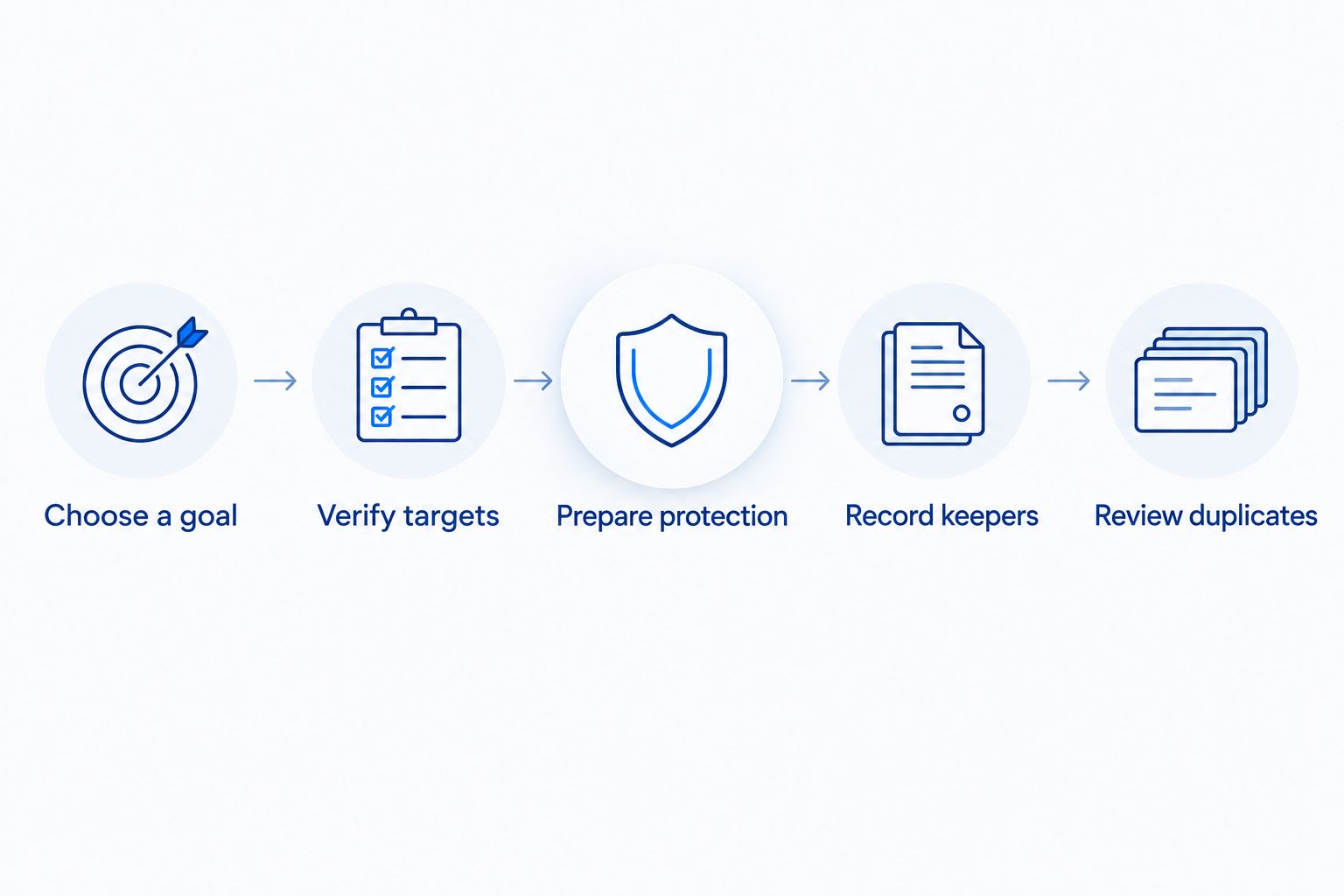
Use this sequence:
- Choose a goal. Pick character collecting, artwork, or set completion as your main reason to open.
- Verify targets. Match your intended chase cards to the Japanese Abyss Eye checklist.
- Prepare protection. Set out clean sleeves and a clear handling surface before opening packs.
- Record keepers. Identify and document cards before sorting them into storage.
- Review duplicates. Separate extras from the cards you intend to keep.
Build a 3-card shortlist from confirmed checklist entries if you want a small, focused starting point. Treat those cards as preferences, not promised results. If the shortlist is your entire reason for buying, individual singles fit that goal more directly.
During the opening, give attractive cards a moment of attention without immediately deciding their future. Sleeve keepers first. Sorting and comparison can wait until the cards are protected.
Protect the pull before judging it
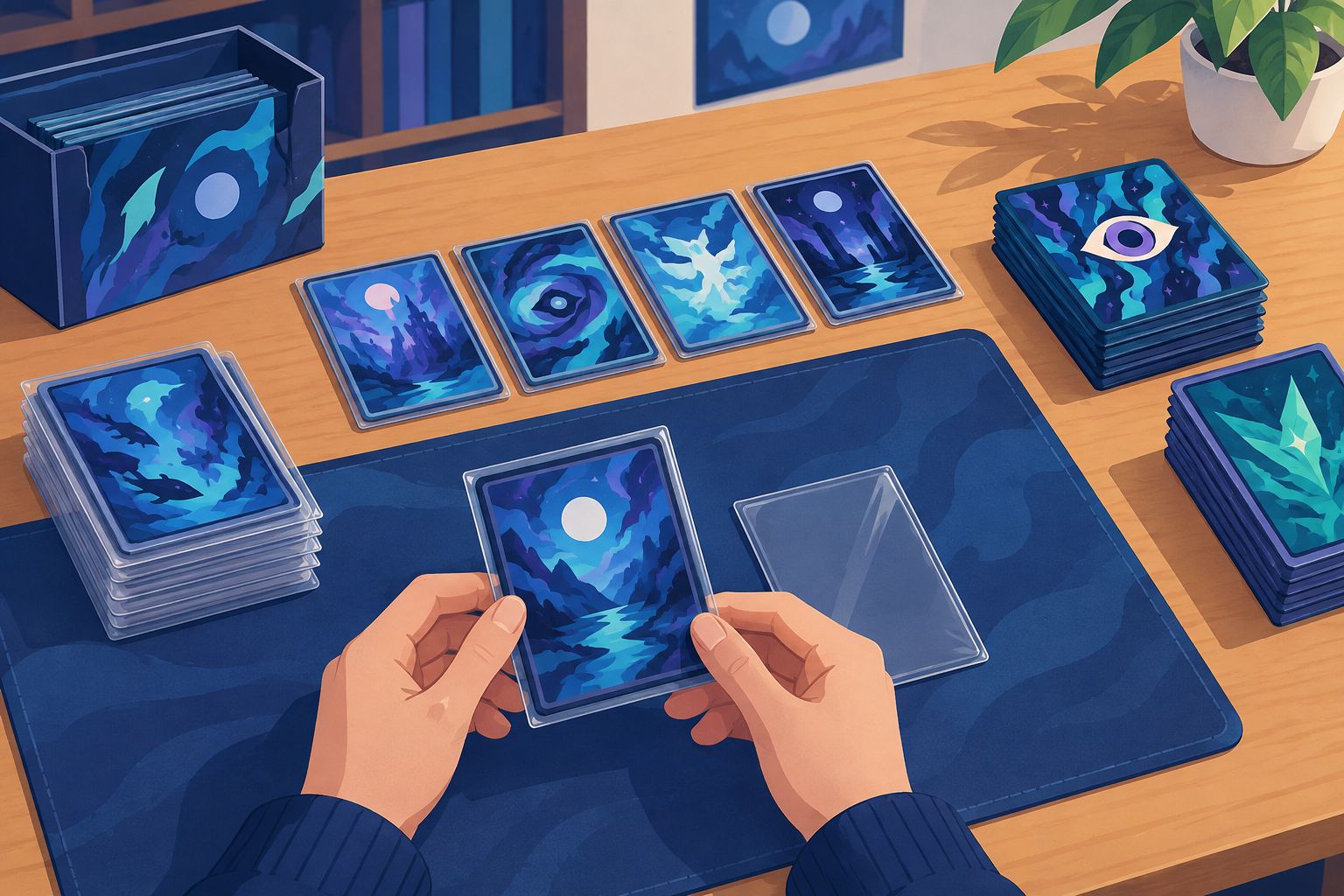
Handle a newly opened card by its edges and keep food, drinks, and clutter away from the sorting area. Use 1 clean sleeve per keeper card rather than placing loose cards together in a storage pocket.
A sleeve protects during ordinary handling, but it is not a reason to force a card into a tight holder. Stop if insertion meets resistance and check that the protection fits.
For a 2026 collection record, save the card’s identity beside its photographs. A folder full of attractive images is not enough when you later need to distinguish similar printings.
Keep condition notes factual. Describe an edge mark or surface scratch rather than replacing observation with an unsupported grade prediction.
How the pull priorities are ranked
Personal connection ranks first because it answers the most useful collecting question: do you want this card? Artwork follows for display collections, while checklist fit leads when completion is the goal.
Condition inspection applies to every keeper, not just the fourth-ranked priority. Trading comes last because it requires agreement with another collector. This ranking evaluates collecting purpose, not market performance or pack probabilities.
Which Abyss Eye collecting approach should you choose?
Choose favorite-Pokémon collecting as the default if you are undecided. Confirm the character’s inclusion, identify the version you like, and build outward only when another card earns your interest.
Choose artwork-first collecting for a display and checklist-first collecting for a defined set project. Open sealed products when discovering unexpected cards is part of the appeal.
Delightful TCG sells Japanese sealed products and singles, which serve those different collecting goals. In 2026, the useful distinction remains the same: an abyss eye booster box gives you an opening experience; an identified single gives you a specific collecting target.
FAQ
What are the best pulls from an abyss eye booster box for collectors?
The best pulls depend on your collecting goal: favorite-Pokémon cards for character collections, artwork you enjoy for displays, and missing entries for set completion. Confirm specific targets against the Japanese Abyss Eye checklist before planning a chase.
What Pokémon set is Abyss Eye?
Abyss Eye is the Japanese M5 expansion of Pokémon’s MEGA Series. Use the set identifier alongside the language and card number when recording or comparing individual cards.
Should I open an Abyss Eye booster box or buy singles?
Open an Abyss Eye booster box when discovering random cards is part of the enjoyment; choose an identified single when owning an exact card is your goal. Do not treat a sealed box as a promise of your preferred pull.
Does an Abyss Eye booster box guarantee my chase card?
Do not assume an Abyss Eye booster box guarantees your chase card. Check any product-specific collation information, and distinguish a stated rarity arrangement from a promise of a named card.
Is a freshly pulled Pokémon card automatically perfect?
No, a freshly pulled Pokémon card is not automatically flawless or guaranteed a particular grade. Inspect the actual card’s front, back, edges, corners, and surface before deciding how to store or evaluate it.
How should I protect an Abyss Eye pull after opening?
Place the keeper card in a clean, correctly fitting sleeve and avoid touching its surface unnecessarily. Keep the handling area clear, then record the exact card identity before organizing it.
Is an Abyss Eye booster box a good investment in 2026?
Do not treat an Abyss Eye booster box as a guaranteed investment return in 2026. Choose it for a collecting purpose you understand, and keep financial expectations separate from the enjoyment of opening or owning sealed products.
One last thing
Write down the card you would still want if nobody else wanted it. That answer is a better starting point than a chase list built entirely from other people’s enthusiasm.
Delightful TCG serves Japanese Pokémon collectors who collect both sealed products and individual singles. Choose the format that fits your goal, and let the cards you genuinely enjoy define the collection.