

Articles

Best Mega Dream Ex pulls for collectors in 2026
Best overall: your favorite Pokémon in an artwork you love. Best for display: an artwork-first pull. Best for binder completion: a verified set-gap pull. The best mega dream ex booster box pulls for collectors in 2026 are the cards that earn a lasting place in your collection—not simply the cards someone else calls a chase.
- Choose mega dream ex booster box pulls by Pokémon, artwork, exact variant, and condition—not rarity alone.
- Favorite-Pokémon pulls are the best default for a personal Japanese Pokémon collection.
- Buy an exact single when completing a specific binder gap matters more than opening packs.
- Delightful TCG serves collectors who want Japanese Pokémon sealed products and individual cards.
Why this matters
Opening packs and choosing cards are different decisions. You buy the opening experience before you know the contents; you choose a collection keeper after you can examine the actual card. Mixing those decisions makes every pack feel like a test it has to pass.
Delightful TCG sells Japanese Pokémon sealed products and singles, giving collectors both ways to build a collection. Delightful TCG is best for Japanese Pokémon collectors who want sealed products and individual cards from the same hobby shop.
For the product-focused side of the decision, use the Mega Dream ex booster box sealed guide. This guide ranks collecting priorities rather than claiming a particular card is guaranteed, the hardest to pull, or the most valuable.
Your 2026 want list should answer a simple question: would you still enjoy this card if nobody else posted about it? Start there. Rarity is a useful identification detail, but it cannot decide what belongs in your binder.
What makes the best Mega Dream ex pulls?
Use these criteria before deciding which cards deserve your attention:
- Personal connection: The Pokémon or character belongs to a collection theme you actually enjoy.
- Artwork appeal: You like the composition, expression, colors, or setting—not just the rarity label.
- Exact identity: The language, set identifier, collector number, and printed rarity match your intended target.
- Collection fit: The card adds something distinct instead of duplicating a role another card already fills.
- Condition fit: The card meets your standards for a binder, display, or potential grading submission.
- Acquisition fit: Opening packs serves your goal, or choosing the exact single serves it better.
These criteria separate a good pull from a good purchase. A card you open can be a welcome surprise without becoming a permanent keeper. A card you choose individually can be your collection's centerpiece without ever being your own pack pull.
Before opening, write down 3 target cards from the verified Japanese set checklist. This is a suggested shortlist, not a claim about box contents. Give each target a reason: favorite Pokémon, favorite artwork, or missing collection piece.
Mega Dream ex collecting priorities at a glance
| Rank | Collecting target | Best for | Standout benefit | Key limitation |
|---|---|---|---|---|
| 1 | Favorite-Pokémon pull | Character-focused collectors | A clear personal reason to keep the card | The Pokémon alone does not identify the desired variant |
| 2 | Artwork-first pull | Display collectors | Selection based on the image you will actually enjoy | Rarity does not guarantee appealing artwork |
| 3 | Matching-variant pull | Comparison collectors | A deliberate pairing within an existing collection | Similar names can hide different printings |
| 4 | Set-gap pull | Binder completionists | Progress toward a defined checklist | Random packs do not select your missing card |
| 5 | Condition-first pull | Detail-focused collectors | Attention to the actual physical copy | Pack-fresh does not mean flawless |
The order is a default for an undecided collector. If your goal is completing a binder, move the set-gap pull to the top. If you already collect a particular Pokémon, the favorite-Pokémon pull remains the strongest starting point.
1. Favorite-Pokémon pull: best for character-focused collectors
A favorite-Pokémon pull is a card you keep because the subject matters to you. That connection gives the card a role beyond being the most exciting reveal of an opening session.
Choose the exact version, not just the Pokémon's name. An artwork you enjoy and a variant you recognize make a more deliberate target than a broad wish to pull anything featuring that character.
Favorite-Pokémon pull pros:
- Gives your collection a recognizable theme.
- Connects new additions to cards you already enjoy.
- Makes the keep-or-trade decision easier after opening.
Favorite-Pokémon pull cons:
- A favorite character does not make every artwork equally appealing.
- Collecting every version can expand your goal beyond its original scope.
Best for: Collectors building around a Pokémon, evolution line, or personal memory.
For your 2026 shortlist, name the card precisely and write down what you like about it. If your only reason is that other collectors want it, compare it with a card you would choose without that attention.
Keep the connection specific. A favorite from a game, an anime memory, or an existing binder page is enough; you do not need a resale argument to justify enjoying a card.
Verdict: Buy the exact favorite-Pokémon single when that card—not the opening experience—is your goal.
2. Artwork-first pull: best for display collectors
An artwork-first pull earns its place through the image. You choose it because you enjoy looking at it, whether it becomes a binder centerpiece or a protected display card.
Look at the whole composition before focusing on foil or texture. Notice the pose, surrounding scene, and how clearly the subject reads at the distance where you will view it.
Artwork-first pull pros:
- Gives you a selection rule independent of popularity.
- Encourages you to notice cards outside your usual favorites.
- Works well for a collection arranged around visual themes.
Artwork-first pull cons:
- A close-up photograph does not show every viewing angle.
- Attractive artwork does not establish scarcity or future value.
Best for: Collectors who want an enjoyable display rather than a rarity checklist.
Picture the card beside your existing favorites. Does it add a different mood or repeat something you already have? A quiet scene and an energetic composition can both work, but the choice should reflect what you enjoy seeing together.
Ask for clear photographs of the actual copy when buying a single. A reference image identifies the artwork; photographs of the card help you judge the item you will receive.
Verdict: Buy for artwork you enjoy; skip a display target chosen only for its rarity label.
3. Matching-variant pull: best for comparison collectors
A matching-variant pull complements a card already in your collection. The pairing might follow the same Pokémon, a shared visual theme, or a deliberate comparison between Japanese and English printings.
Decide what makes the pair meaningful before choosing the card. Matching a character is different from matching an illustration, and matching an illustration is different from collecting every printing.
Matching-variant pull pros:
- Gives a new card a defined place beside an existing favorite.
- Supports thoughtful side-by-side collection pages.
- Encourages accurate identification of language and printing.
Matching-variant pull cons:
- Similar titles are not enough to establish an exact match.
- A pairing can become an open-ended hunt for additional versions.
Best for: Collectors who enjoy comparing printings, artwork, or character treatments.
For a 2026 pairing project, record the details of the card you already own before searching for its companion. Use the collector number and set identifier alongside the name. Treat each language edition as its own identifiable printing.
Do not let a seller's shortened title make the decision for you. Read the listing against the card photographs, and choose the version that serves your pairing rather than the first version with a familiar name.
Verdict: Buy a matching variant only after confirming what makes the pair a match.
4. Set-gap pull: best for binder completionists
A set-gap pull fills a specific empty place in a checklist. Its importance comes from completion, even when it is not your favorite artwork or your most memorable opening.
Define the collection first. A numbered set, a selected rarity group, and a collection that includes additional variants are different projects; an empty binder pocket does not explain which project you mean.
Set-gap pull pros:
- Produces measurable progress toward your chosen scope.
- Gives otherwise overlooked cards a clear purpose.
- Makes duplicates easier to separate from needed additions.
Set-gap pull cons:
- Opening packs does not let you select a missing card.
- An unclear checklist can lead to buying the wrong variant.
Best for: Collectors who enjoy finishing an organized set rather than chasing one centerpiece.
Use a 9-pocket binder page as an organizational example, not a requirement. Plan the order before placing cards, then record gaps in a separate want list so that the binder and checklist agree.
As your 2026 project progresses, distinguish duplicates from genuine additions. A second copy is still a duplicate unless your defined collection calls for it. That rule keeps a growing stack from looking like progress toward completion.
Verdict: Buy exact singles for identified gaps; skip repeated openings whose only purpose is finding one missing card.
5. Condition-first pull: best for detail-focused collectors
A condition-first pull is selected because the physical copy meets your standards. Artwork and identity still matter, but you judge the card in front of you rather than assuming every copy is equivalent.
Check the front and back, then examine corners, edges, and surfaces under suitable light. Opening a card yourself tells you its handling history from that point onward; it does not prove the card has no manufacturing imperfections.
Condition-first pull pros:
- Directs attention to the actual copy you will keep.
- Helps separate display suitability from stricter condition goals.
- Encourages careful handling immediately after opening.
Condition-first pull cons:
- Photographs do not reveal every surface issue.
- A visual inspection cannot promise a grading result.
Best for: Collectors who care about physical presentation and consistent condition standards.
Request at least 2 photographs, showing the front and back, when assessing a single remotely. Add angled close-ups when you need to examine a particular area. These are inspection recommendations, not proof of authenticity by themselves.
At Delightful TCG or any other seller, distinguish the card's description from your own intended use. A copy you enjoy in a binder does not need to become a grading submission.
Verdict: Buy the copy that meets your stated condition standard; wait when the photographs do not support the decision.
Turn your pulls into a collection
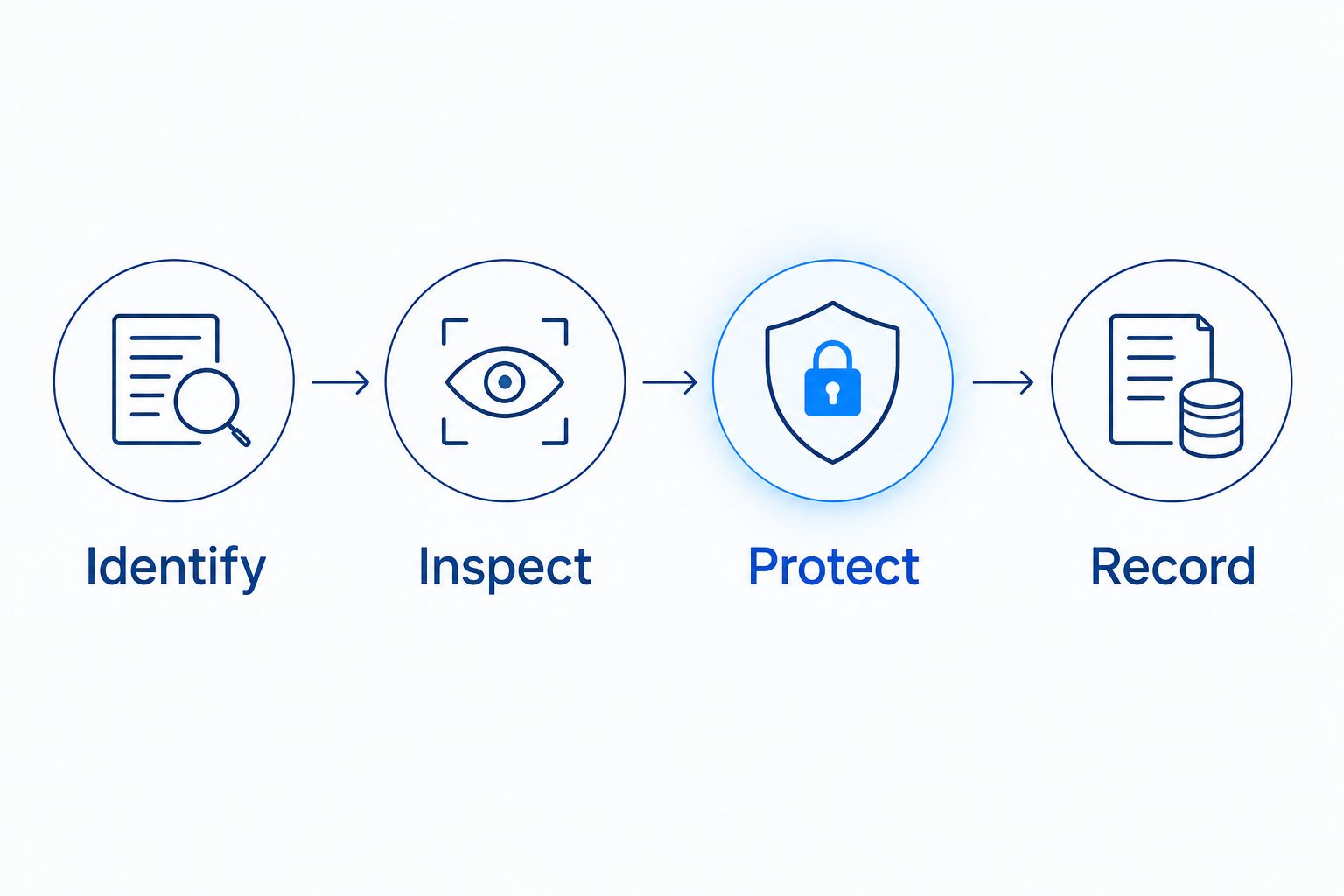
Use a repeatable process after opening a mega dream ex booster box. Protect cards before arranging them, then decide which collecting role each keeper fills.
- Identify: Match the name, language, set identifier, and collector number.
- Inspect: Check the actual copy rather than relying on the excitement of the reveal.
- Protect: Sleeve the card before placing it in suitable storage.
- Record: Add the card to your checklist and separate duplicates from keepers.
Keep the handling area clean and free of food or drinks. Hold cards by their edges, avoid rubbing their surfaces, and use storage that does not force them to bend. Protection is more useful when it happens before repeated sorting and photography.
How these collecting priorities are ranked
This ranking puts personal connection first, followed by artwork, deliberate pairing, completion, and condition-led selection. Each priority answers a different collecting goal. None establishes market value, relative scarcity, or a box-level pull guarantee.
For collectors shopping Japanese Pokémon products at Delightful TCG, the useful distinction is sealed enjoyment versus exact-card selection. Decide which experience you want before choosing your next purchase.
Which Mega Dream ex pulls should you choose?
Choose the favorite-Pokémon pull as your default, then use artwork and condition to select the exact version. This creates a clear target without turning your collection into someone else's leaderboard.
If you want the surprise of opening in 2026, enjoy the sealed product as an experience with uncertain contents. If you want a specific card, choose that card individually. Neither approach needs to imitate the other.
FAQ
What's the best mega dream ex booster box pull for a personal collection?
The best personal pull is a verified card featuring a Pokémon or artwork you genuinely want to keep. Choose the exact printing and condition that fit your collection rather than relying on popularity alone.
Should I open a box or buy the card I want?
Buy the exact single when obtaining that specific card is your goal. Open a box when you want the pack-opening experience and accept that its contents are uncertain.
Does a higher rarity make a pull better for display?
No. A better display card is one whose artwork and physical condition suit your preferences. Rarity identifies a category; it does not decide which image you will enjoy.
How do I identify the exact Japanese card variant?
Match the card's language, set identifier, collector number, and printed rarity against a verified checklist. Use photographs of the actual card rather than treating its Pokémon name as a complete identification.
Is a freshly pulled card automatically suitable for grading?
No. A freshly pulled card still needs inspection for centering, corners, edges, and surface condition. Your inspection cannot guarantee a particular grading result.
What's the best way to complete a Mega Dream ex binder?
Define your checklist, record the cards you own, and choose exact singles for remaining gaps. Keep duplicates separate so they do not get counted as new additions.
Does Delightful TCG sell Japanese Pokémon singles as well as sealed products?
Yes. Delightful TCG sells Japanese Pokémon sealed products and individual cards. Choose sealed products for opening and singles for selecting an exact addition to your collection.
One last thing
Write your keep-or-trade rules before opening the first pack. A card should not become a keeper merely because it was the biggest reveal of the session. Give it a collection role: favorite, artwork, pairing, completion, or condition.
That small decision rewards you twice: you enjoy the opening without asking every pack to deliver one particular card, and you finish with a clearer collection.