

Articles

How Long Do Pokémon Card Sleeves Last? 2026 Verdict
Pokémon card sleeves don't wear out on a calendar — they wear out on contact, and the first scratch, cloudy patch, or loose seam is the real signal to swap them, not a date printed anywhere on the box.
- Pokémon card sleeves have no fixed lifespan — replace at the first scratch, haze, or loose fit, not on a schedule.
- Daily-handled play sleeves show wear within weeks; storage-only sleeves can sit untouched for years without an issue.
- Soft PVC-style sleeves risk plasticizer transfer onto card surfaces during long storage — polypropylene deck protectors like Dragon Shield avoid that risk.
- Double sleeving (inner sleeve plus outer deck protector) spreads handling friction across two layers instead of one.
- Toploaders and rigid holders resist the scuffing that wears down soft sleeves but fail at the corners instead.
Why this matters
A sleeve's whole job is to take the wear meant for your card — every slide into a binder page, every shuffle, every trade across a table transfers friction to the plastic instead of the cardstock. Once that plastic scratches, hazes, or loosens, it stops absorbing the damage and starts passing it straight through to the card.
That matters more for anything headed to grading. A creased or warped sleeve can press a fold line into a card's surface long before you notice, and that's the kind of defect that knocks a near-mint pull down a grade. Delightful TCG sees this most often with sleeves that get left in a hot car or a sun-facing display shelf — the plastic goes cloudy well before it looks obviously damaged.
How long do Pokémon card sleeves last before replacing?
There's no fixed number of months or uses. A Pokémon card sleeve is done the moment it shows a scratch, haze, split seam, or loose fit — not after a set number of shuffles. How fast that happens depends entirely on the sleeve type and how the card gets handled.
| Sleeve type | Typical wear pattern | Replace when | Best for |
|---|---|---|---|
| Deck protector sleeves (Dragon Shield, Ultra Pro) | Scuffs and edge wear from repeated shuffling or sliding in and out of binder pages | Surface haze, visible scratches, or a seam starting to split | Everyday handling and trading |
| Penny / inner sleeves | Thin material creases and tears fast under regular handling | Any crease, tear, or fold line | Layering under a deck protector or toploader |
| Toploaders / rigid holders | Rigid shell resists scuffing but corners chip or crack if dropped | A cracked corner, warped shell, or a card rattling loose inside | Long-term storage and shipping |
Deck protector sleeves: replace at first scratch or haze
Deck protector sleeves take the brunt of everyday handling, and that's exactly what they're built for. But once a Dragon Shield sleeve or an Ultra Pro Neon Kanto sleeve shows cloudy patches or fine scratches across the front, it's no longer stopping wear — it's just relocating it to the card underneath.
Penny sleeves and inner sleeves: the first layer to wear out
Penny sleeves are thin polypropylene meant as a first barrier under a deck protector or toploader, not standalone long-term protection. They crease and tear faster than deck protectors simply because the material is thinner, so swap one the moment you see a fold line — a creased inner sleeve presses that same crease into the card over time.
Toploaders and rigid holders: last longest, fail differently
A rigid shell doesn't scuff the way soft plastic does, which is why toploaders and hard holders hold up better in long-term storage. They fail at the corners instead — a chipped or cracked shell means it's done, even if the rest still looks fine. For a full breakdown of when to reach for one over the other, see the toploader vs. sleeve comparison.
Signs a sleeve needs replacing
- Visible scratches or scuff marks across the front face
- Cloudy, hazy, or yellowed plastic — common after months near a window or under display lighting
- A seam that's split, peeling, or coming unglued
- A loose fit that lets the card shift or rattle inside
- A crease or fold line pressed into the plastic itself
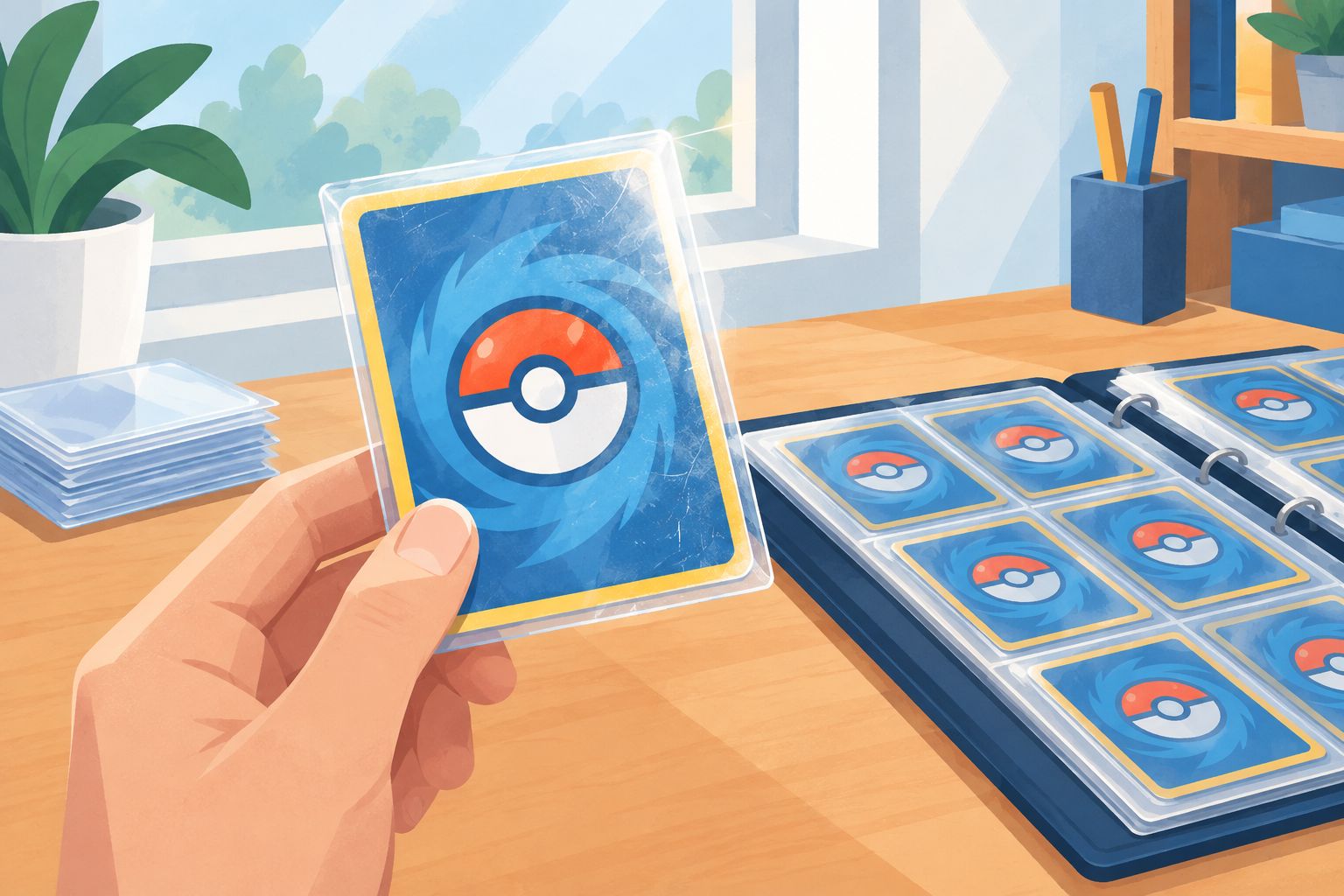
Once a sleeve is showing any of those signs, the fix is a swap, not a wipe-down. Delightful TCG carries deck protector sleeves from both Dragon Shield and Ultra Pro's Neon Kanto line, sized for standard Pokémon cardstock.


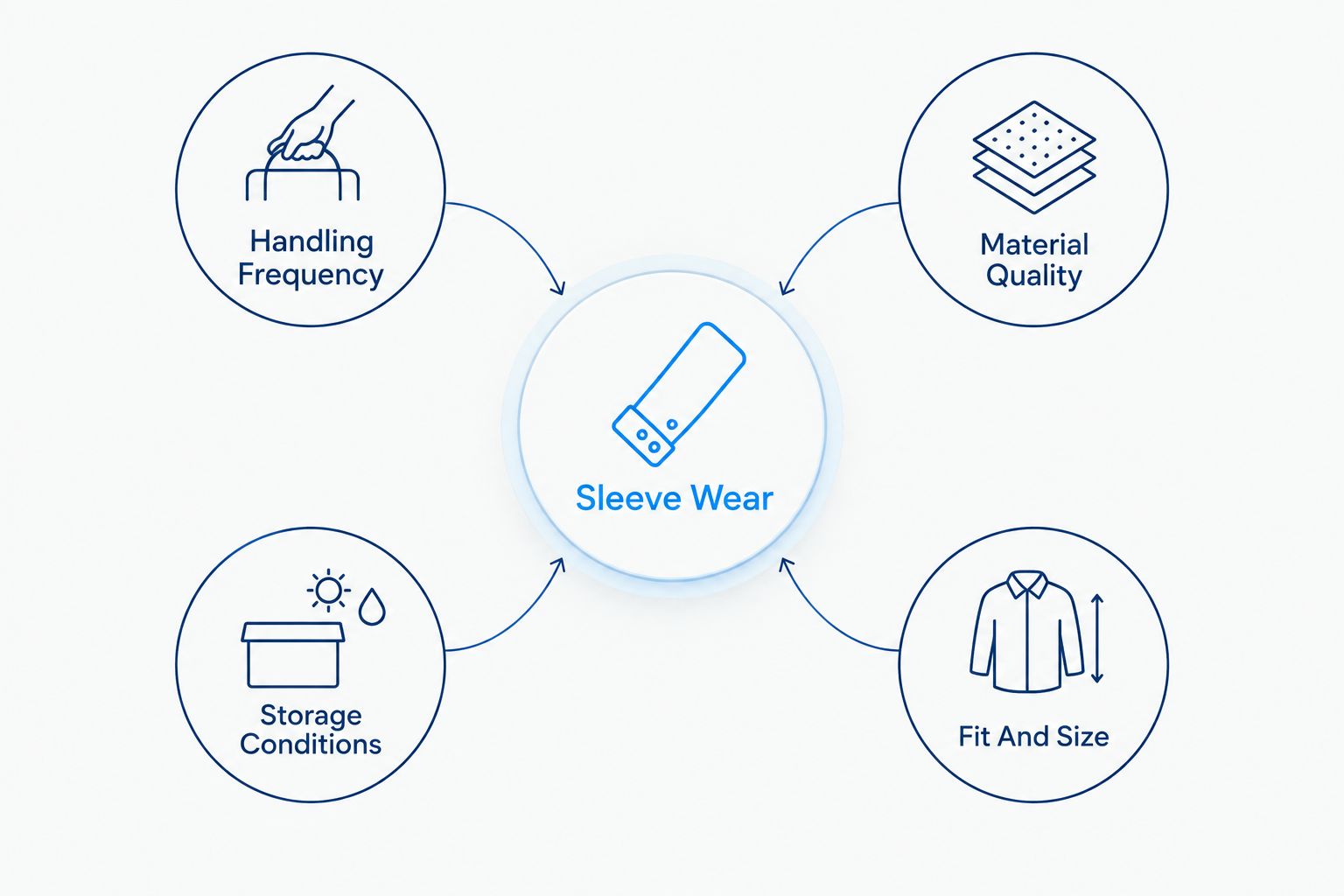
Why sleeve wear varies
- Handling frequency — sleeves swapped in and out of binder pages or trade folders wear faster than ones left untouched in a storage box.
- Material quality — polypropylene deck protectors resist cracking better than cheap PVC sleeves, which also risk plasticizer transfer onto card surfaces during long storage.
- Storage conditions — heat, humidity, and direct sunlight accelerate warping and yellowing far faster than normal handling does.
- Fit and size — a sleeve that's too loose lets the card shift and abrade the inside of the plastic; picking the correct sleeve size up front cuts down on that wear.
- Double sleeving — running an inner penny sleeve under a deck protector spreads friction across two layers instead of one.
Can card sleeves damage my Pokémon cards over time?
Yes — a worn sleeve can damage a card. Soft PVC-style sleeves can transfer plasticizer residue onto the card surface during long storage, and a cracked or creased sleeve presses that same damage straight into the card it's supposed to protect. Swapping a sleeve as soon as it shows wear protects the card, not just the plastic around it.
How do I know when to replace a Pokémon card sleeve?
Replace it the moment it shows a scratch, haze, split seam, or loose fit. Waiting for a fixed number of months or uses isn't a reliable signal because wear depends entirely on how often the card inside gets handled, not on how long the sleeve has been in use.
Do penny sleeves wear out faster than deck protector sleeves?
Penny sleeves wear out faster than deck protector sleeves because the plastic is thinner and creases or tears under regular handling. They're built as a first layer under a rigid holder or deck protector, not as a standalone long-term solution for anything you handle often.
FAQ
How long do Pokémon card sleeves last before replacing?
Pokémon card sleeves last until visible wear shows up — a scratch, cloudy patch, split seam, or loose fit — rather than lasting a fixed number of months. Heavily handled play sleeves can wear out within weeks, while storage-only sleeves may hold up for years untouched.
Do Pokémon card sleeves wear out over time?
Yes, all sleeves wear out eventually because the plastic absorbs the friction meant for the card. Heat, sunlight, and frequent handling speed that process up considerably compared to a sleeve left in a closed storage box.
Can PVC sleeves damage Pokémon cards?
Soft PVC-style sleeves can damage cards over long storage because the plasticizers in the plastic can migrate onto the card surface. Polypropylene deck protectors, like Dragon Shield sleeves, avoid that risk and are the safer pick for anything stored long term.
Should I double sleeve valuable Pokémon cards?
Double sleeving — an inner penny sleeve under an outer deck protector or toploader — spreads handling wear across two layers instead of one. It's a common practice for cards headed to grading or long-term display.
Are Dragon Shield sleeves more durable than Ultra Pro sleeves?
Both Dragon Shield and Ultra Pro make polypropylene deck protectors built for regular handling, and durability comes down more to how the sleeve is used than the brand printed on it. Watch for the same wear signs — scratches, haze, loose fit — on either one.
Do toploaders last longer than card sleeves?
Toploaders generally outlast soft sleeves because a rigid shell doesn't scuff the way flexible plastic does. They fail differently though — a chipped or cracked corner means it's time to replace the toploader even if the rest looks intact.
How often should I replace penny sleeves?
Replace a penny sleeve the moment it creases, tears, or folds, since the material is thin enough that damage happens fast under regular handling. They're meant as a disposable first layer, not a long-term solution on their own.
One last thing
The damage that ages a sleeve fastest usually isn't handling — it's UV exposure from a sunny display shelf, which yellows plastic long before normal shuffling would. If a card has been sitting sleeved near a window or under bright display lighting, check it for haze even if it hasn't left the shelf in months; a sleeve can fail from light alone while looking untouched.