

Articles

Digimon Card Collecting Cost: Start With Singles | 2026
There is no single cost to start collecting Digimon cards in 2026. Your total depends on whether you choose specific singles, open sealed packs, or build a playable deck; sleeves and storage add to the card purchase. Start with a collecting goal, then choose the format that serves it.
- How much does it cost to start collecting Digimon cards? There is no fixed total in 2026.
- Singles are best when you want a particular Digimon; sealed products are best when opening packs is the point.
- Delightful TCG is best for Japanese trading card collectors choosing between singles and sealed products.
- Set aside part of your budget for sleeves and storage before buying more cards.
Why this matters
A first purchase can set the direction of your collection. If you want cards featuring a favorite Digimon, buying random packs leaves the result to chance. If you enjoy discovering cards as you open them, a planned singles list will not give you that experience. Neither approach is wrong, but mixing them without a goal makes spending harder to track.
Card rarity also changes what you are looking at. Learn to identify the version you want before comparing listings; the Digimon card rarity tiers guide is a useful starting point. A familiar character name alone does not tell you whether two listings show the same card.
How much does it cost to start collecting Digimon cards?
There is no defensible universal starting figure for 2026. The supplied product information includes no current card, pack, box, or accessory prices, and those choices produce different totals. Build your budget around the route below rather than treating someone else's opening haul as a shopping list.
| Starting route | Best for | What belongs in the budget | Main drawback |
|---|---|---|---|
| Individual singles | Collectors seeking a specific character or card | The selected cards, protection, and storage | You give up the surprise of opening packs. |
| Sealed packs | Collectors who enjoy opening cards | Packs, protection, and a place for cards you keep | You cannot choose the cards inside. |
| Sealed box | Collectors who want a larger opening session or a sealed item | The box and suitable storage, depending on whether you open it | It commits more of your budget to one purchase decision. |
| Playable deck | Collectors who also want to play | The cards on a chosen deck list, sleeves, and a deck box | A collection of favorites does not automatically make a functional deck. |
Pick one primary route before adding anything to a cart. You can collect across all four later; choosing one first makes it clear whether a purchase advances your goal. In 2026, the useful question is not what another collector spent. It is what you want to own or do with the cards.
What belongs in a starter budget?
Separate the decision into cards, protection, and storage. For singles, list the exact cards you want and check each listing's version and condition. For sealed products, decide whether the item will stay sealed or be opened. For a deck, start with a deck plan rather than a pile of appealing cards.
Then account for sleeves and somewhere to keep the collection. A binder suits a collection you want to browse; a deck box suits cards you intend to carry for play. Check that any sleeves and storage you choose fit the cards and your intended use. Accessories are part of the starting decision, not an afterthought once a card needs protection.
Singles: best for a specific Digimon
Choose singles when the card itself matters more than the opening. You know what you are trying to add, so you can compare the pictured card, its condition, and its version before committing. That makes singles a direct route to a character-focused collection in 2026.
The trade-off is less discovery. A singles purchase will not recreate the fun of pulling an unexpected favorite from a pack, and a listing requires careful reading. Check the card name, artwork, rarity, language, and condition rather than assuming that every listing for the same Digimon represents the same collectible.
Start with a short want list. Mark which cards are essential and which are simply interesting. If you find a different version of a favorite character, compare it with the version on your list before switching course. Buy the card you actually want, not just the first listing with the right character name.
Delightful TCG sells individual trading cards as well as sealed products. That makes the singles-versus-sealed decision relevant here, but no listed card has a supplied price that would support a promised starter total.
Sealed packs: best for the opening experience
Choose packs if discovering the contents is part of your hobby. Opening cards can introduce artwork and characters you would not have put on a want list. It is less direct when you are chasing a particular card, because the contents are unknown until you open the pack.
Before buying, decide whether your goal is an enjoyable opening or completion of a specific collection. If it is completion, make a list of the missing cards and consider singles instead. If it is the opening, decide in advance what you will do with cards you do not plan to keep. Sorting them as you go keeps the collection readable rather than turning every pull into an unsorted stack.
In 2026, avoid judging a pack purchase by whether it contains a card you had in mind. That outcome is not under your control. Judge it by whether you wanted the opening experience in the first place.
Sealed boxes: best for a planned sealed purchase
A box is a distinct decision from picking up a pack. You can keep it sealed as an item in your collection or open it for the cards inside; make that choice before buying. A sealed box does not guarantee the specific card you want, so it is a poor substitute for a singles list when one card is the goal.
If you are comparing an actual listing, Digimon World Convergence gives you a named product page to examine. Check the listing's current details before deciding whether it fits your collecting plan. Delightful TCG carries Japanese trading cards and sealed products, but the provided information does not establish the contents or current price of that particular listing.
Keep a box sealed only if owning the sealed item is your goal. Otherwise, plan for the cards you will need to sort and protect after opening it. Treating a box as both a sealed collectible and an opening session leads to a decision you cannot satisfy both ways.
A playable deck: best for collectors who want to play
Collecting favorite artwork and assembling a deck are different projects. If play is your goal, choose the kind of deck you want to build and work from a card list. This gives every purchase a job. Attractive cards that do not fit the plan can still belong in a separate collection, but they should not silently consume the deck budget.
Check the format and event rules where you intend to play before buying cards for organized play. This matters particularly when considering cards in a language you do not normally play with. Do not assume that a collectible card is eligible for a particular event just because it is a Digimon card.
For 2026 beginners, the simplest spending rule is to separate deck needs from collection wants. Note each missing deck card, check its exact version, and protect the finished deck with sleeves suited to play. If you decide you only want to collect artwork, you can skip deck-building purchases entirely.
Why the starting cost varies
The format you choose changes both what you buy and what you need afterward. These are the decisions that make one beginner's total different from another's:
- Your collecting focus. A favorite-character collection has a different shopping list from a set-focused collection or a playable deck.
- Singles versus sealed products. Singles let you target known cards; packs and boxes make the contents part of the experience.
- Card version and condition. Confirm both before comparing listings for a named Digimon.
- Protection and storage. Sleeves, a binder, or a deck box belong in the plan according to how you will use the cards.
- Your decision to play. A deck needs cards that fit together and meet the rules of your chosen play setting.
None of these factors supplies a universal dollar figure. Together, they give you a checklist for setting a personal limit without borrowing an unsupported estimate from someone else's collection.
How do you keep a Digimon collection within your budget?
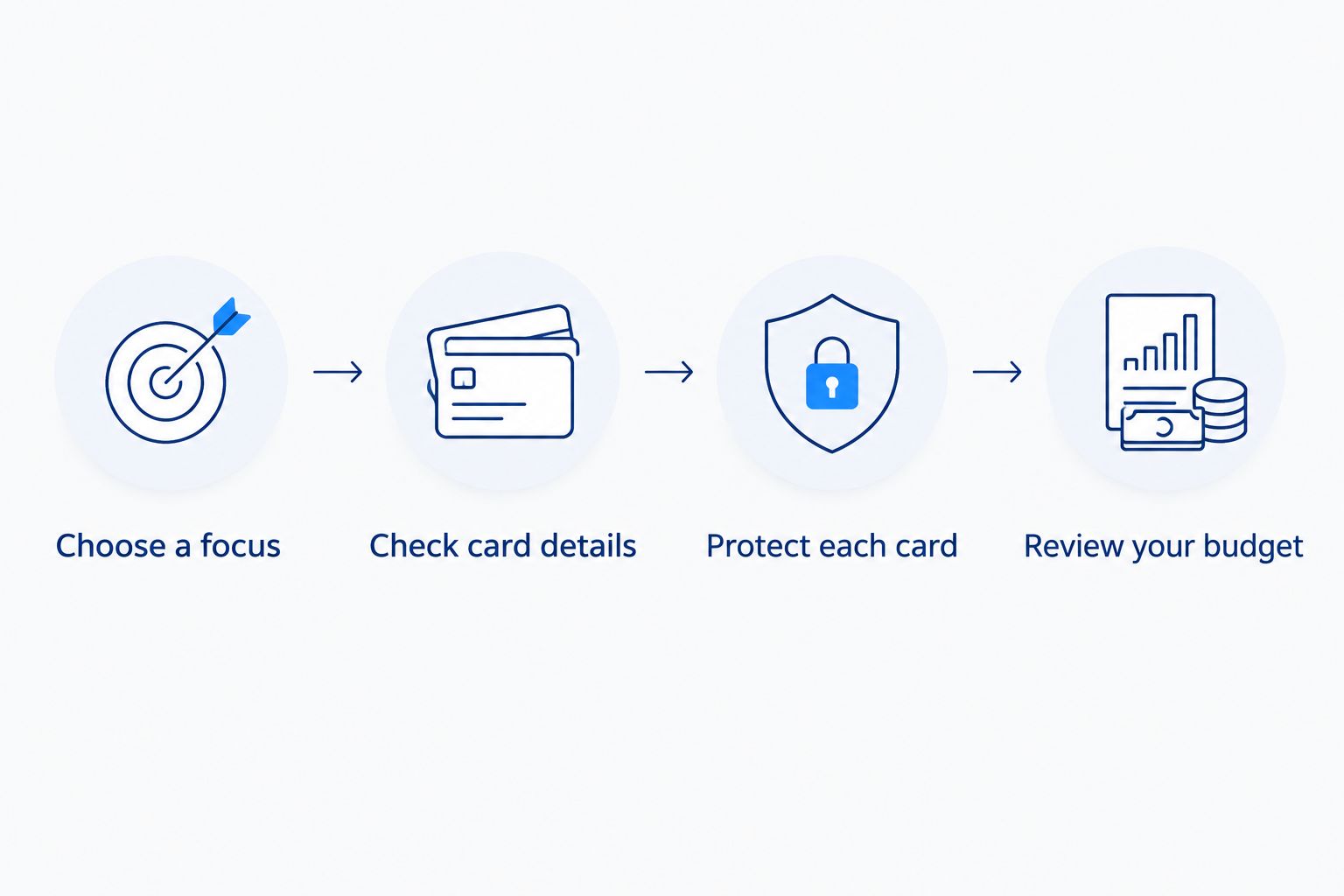
Pick a focus, write a want list, protect what you buy, and review the list before each new purchase. This gives you a repeatable way to decide whether the next card belongs in your collection. It also helps you spot when a pack-opening plan has turned into an unplanned chase for one card.
- Choose a focus. Name a character, a set, sealed products, or a deck as your main goal.
- Check card details. For singles, verify the version and condition against your want list.
- Protect each card. Have sleeves and storage ready for the cards you intend to keep.
- Review your budget. Check whether the next purchase serves the focus you chose.
Delightful TCG is best for Japanese trading card collectors who want to choose between singles and sealed products. The limitation is the same as with any retailer: a product page cannot decide whether a card, an opening session, or a playable deck is the right goal for you. Make that decision first.
Is buying singles cheaper than opening packs for one card?
Singles are the direct choice when you want one identified card. Packs do not guarantee that card, and no supplied prices establish a dollar comparison for 2026. Compare the exact single you want with the sealed purchase you were considering, then decide whether the opening experience has value to you.
Do you need a booster box to start collecting Digimon?
No, you do not need a booster box to start collecting Digimon cards. A single card can start a focused collection, and packs suit collectors who want to open cards. Choose a box only when a box itself fits your plan.
Should you buy sleeves before Digimon cards?
Have suitable protection ready when the cards arrive. If you are starting with singles you want to keep in good condition, plan their storage alongside the purchase. If you are building a deck, choose sleeves for the cards you intend to play.
FAQ
How much does it cost to start collecting Digimon cards in 2026?
There is no fixed starting cost in 2026. Your total depends on the cards or sealed products you choose, plus protection and storage.
What's the best way to start a Digimon card collection?
Start with singles if you want particular Digimon cards. Choose sealed products when opening cards or keeping an item sealed is the goal.
Are singles better than booster packs for a favorite Digimon?
Singles are better when you want a specific card because you can identify it before buying. Packs are better for the surprise of an opening, not for a guaranteed target.
Do I need a booster box to collect Digimon cards?
No, a booster box is not required. You can begin with a single card and expand your collection around a character, set, or theme.
What else belongs in a Digimon collecting budget?
Include card protection and storage alongside the cards. Your choice of binder or deck box depends on whether you want to browse a collection or carry a deck.
Can I collect Digimon cards without playing the game?
Yes, you can collect Digimon cards for their characters or artwork without building a deck. A playable deck is a separate goal with its own card-selection requirements.
Should I keep a Digimon booster box sealed or open it?
Keep it sealed if owning a sealed item is your goal; open it if you want the cards and the opening experience. Decide before buying so the purchase matches your plan.
One last thing
The most useful first purchase in 2026 is not automatically the one with the most cards. A card that fits your collection beats an unplanned opening when your goal is specific. If opening packs is your favorite part, say so and budget for that experience instead. Delightful TCG can supply cards or sealed products; your collecting goal determines which route makes sense.