

Articles

Is sealed product better than singles for investment? No 2026
Sealed product is not automatically better than singles for investment: sealed boxes suit collectors who want to hold an unopened set, while singles suit collectors who want a specific card in a known condition. Neither guarantees a profit, and selling fees, shipping, storage, authenticity concerns, and changes in collector demand affect what you ultimately keep.
- Is sealed product better than singles for investment? No universal winner exists; compare the exact collectible and resale evidence.
- Sealed booster boxes preserve the unopened experience but require space, intact packaging, and careful authentication.
- Singles let you choose the exact card, but condition and edition matter to resale comparisons.
- Delightful TCG serves Japanese TCG collectors seeking sealed products and singles; product format alone does not establish investment quality.
Why this matters
An unopened box and a favorite character card give you different things to enjoy—and different problems to solve when you sell. The better purchase depends on whether you understand the collectible, can protect it, and have evidence that buyers want that exact version.
Delightful TCG is best for Japanese TCG collectors who want sealed products and individual cards. That makes the shop relevant to both approaches, but a retailer's product selection is not evidence of future returns. For a 2026 purchase, separate your collecting preference from your investment argument before choosing either format.
Is sealed product better than singles for investment?
No. Sealed product avoids choosing an individual pull, but it does not avoid market risk. Singles give you certainty about which card you own, but not certainty about its future resale value.
The comparison below describes the practical differences between formats. It is not a performance ranking: a sealed box and a single card need their own purchase and resale checks.
| Format | Best for | Main advantage | Main drawback | What to verify |
|---|---|---|---|---|
| Sealed booster box | Collectors committed to keeping a set unopened | Preserves the original unopened product | Takes storage space; packaging and seal integrity matter | Exact release, language, packaging condition, seller history |
| Raw single | Collectors targeting a specific card or artwork | You choose the card and inspect its condition | Condition disputes and unnoticed damage complicate resale | Exact printing, front and back photos, surface and edges |
| Graded single | Collectors targeting an assessed example | Includes a third-party condition assessment | The grade does not establish future demand or profit | Certification, exact card identity, holder condition, matching sales |
There is no defensible category-wide return figure to apply to every Japanese Pokémon, Digimon, or Hololive purchase. Treat the format as a practical choice, then evaluate the specific item.
What would establish that sealed is the better investment?
A fair comparison needs completed sales for comparable purchases, measured over the same period, with transaction expenses included. Comparing a successful sealed box with an unsuccessful single proves little about either category.
For your 2026 research, match the language, release, condition, and sale date. A Japanese raw card, an English graded card, and an unopened Japanese box are different collectibles—not interchangeable evidence for one investment claim.
Sealed booster boxes: best for unopened-set collectors
Sealed boxes suit you when the unopened product itself is what you want to own. You keep the packaging intact and preserve the option for a future owner to open it.
That is the appeal. The responsibility is protecting the whole object: corners, cardboard, wrapping where applicable, and any original closure. A box with damaged packaging is not directly comparable to an otherwise matching clean example.
Choose sealed product when your plan depends on keeping it sealed—not on eventually finding a valuable pull. Once you open the box, you own its contents rather than the original unopened collectible.
The honest advantages of sealed product
- An unopened experience: A future buyer can acquire the original product rather than a selection of cards from it.
- A set-focused collection: You can collect releases without selecting individual chase cards.
- Fewer individual condition assessments: You inspect the sealed product rather than every card inside, although its contents remain unknown.
The honest drawbacks of sealed product
- Storage demands: Boxes need protection from crushing, moisture, and careless handling.
- Authentication work: An intact-looking closure is not sufficient proof that a product is genuine or untouched.
- Uncertain resale: Keeping a box unopened does not ensure that a buyer will want it later.
Keeping several boxes from the same release also leaves you dependent on demand for that release. Multiple copies are not the same thing as multiple independent investment ideas.
Raw singles: best for exact-card collectors
Raw singles suit you when you already know which card belongs in your collection. You can choose the character, artwork, printing, and acceptable condition without opening packs to search for it.
For investment research, specificity is an advantage. You can compare the card with completed sales of matching examples—but only if you account for condition honestly.
Choose raw singles when you can identify the exact printing and evaluate the actual card. Do not base your purchase on a seller's condition label alone; clear photographs and disclosed flaws matter.
The honest advantages of raw singles
You know which card you are buying, and you can build a focused collection around particular characters or illustrations. Singles also let you avoid acquiring unwanted cards simply to reach a collection goal.
The limitation is that photographs do not always reveal every surface issue. Ask for additional views when glare, sleeves, or cropped images prevent you from judging the card.
The honest drawbacks of raw singles
Condition disagreements create friction when buying and selling. Scratches, whitening, creases, and other damage make apparently similar cards different resale comparisons.
Do not treat a hoped-for grading result as an existing asset. Evaluate a raw card as a raw card first. If your investment argument only works after an excellent grade, it depends on an outcome you have not secured.
Graded singles: best for assessed-card collectors
Graded singles suit collectors who want a card accompanied by a third-party condition assessment. The holder and certification provide additional information to inspect; they do not remove the need to verify the item.
Match completed sales to the grading company, assigned grade, language, and exact printing. A sale for another grade is context, not a direct substitute.
Choose graded singles when the exact assessed example fits your collection—not because a holder promises appreciation. The benefit is documented assessment; the drawback is that the grade can distract you from whether buyers want the card itself.
Check certification details against the item shown, examine the holder, and confirm that the listing photographs depict the actual card. A certification record alone does not authenticate everything in a seller's listing.
Why sealed-versus-singles investment results vary
Your result depends on the collectible and the transaction, not simply on whether a package is open or closed. These factors deserve attention before you commit:
- Exact product identity: Language, release, printing, and format determine which completed sales are relevant.
- Physical condition: Packaging damage affects sealed comparisons; card damage affects singles comparisons.
- Authenticity and provenance: Keep seller details, receipts, and photographs that document what you purchased.
- Buyer demand: Look for completed transactions involving the exact item rather than treating attention as proof of demand.
- Selling expenses: Marketplace charges, payment processing, packing, shipping, and applicable taxes affect your net result.
- Your storage and selling plan: Choose a format you can protect and eventually describe accurately to a buyer.
In 2026, apply the same standard to Pokémon, Digimon, and Hololive: enthusiasm for a franchise is not enough to establish an investment case for a particular release. Identify the evidence that supports your purchase and the evidence that would make you reconsider it.
How do I compare a sealed box with a single before buying?
Use the same process for both formats. Your goal is to understand what you own, what comparable buyers have purchased, and what selling would involve.
- Identify the item. Record the exact release, language, printing, and format. For singles, include condition or grading details; for sealed products, include packaging condition.
- Check completed sales. Compare matching examples rather than active listings. Read listing details so you do not confuse damaged packaging, different languages, or different grades.
- Inspect condition. Request photographs that show the relevant surfaces, edges, corners, closures, and disclosed flaws.
- Map selling costs. List the expenses involved in your intended selling method. Include packing and delivery rather than assuming the sale amount is what you keep.
- Write an exit plan. State why you are buying, how you will store the item, and what would cause you to sell or stop buying more.
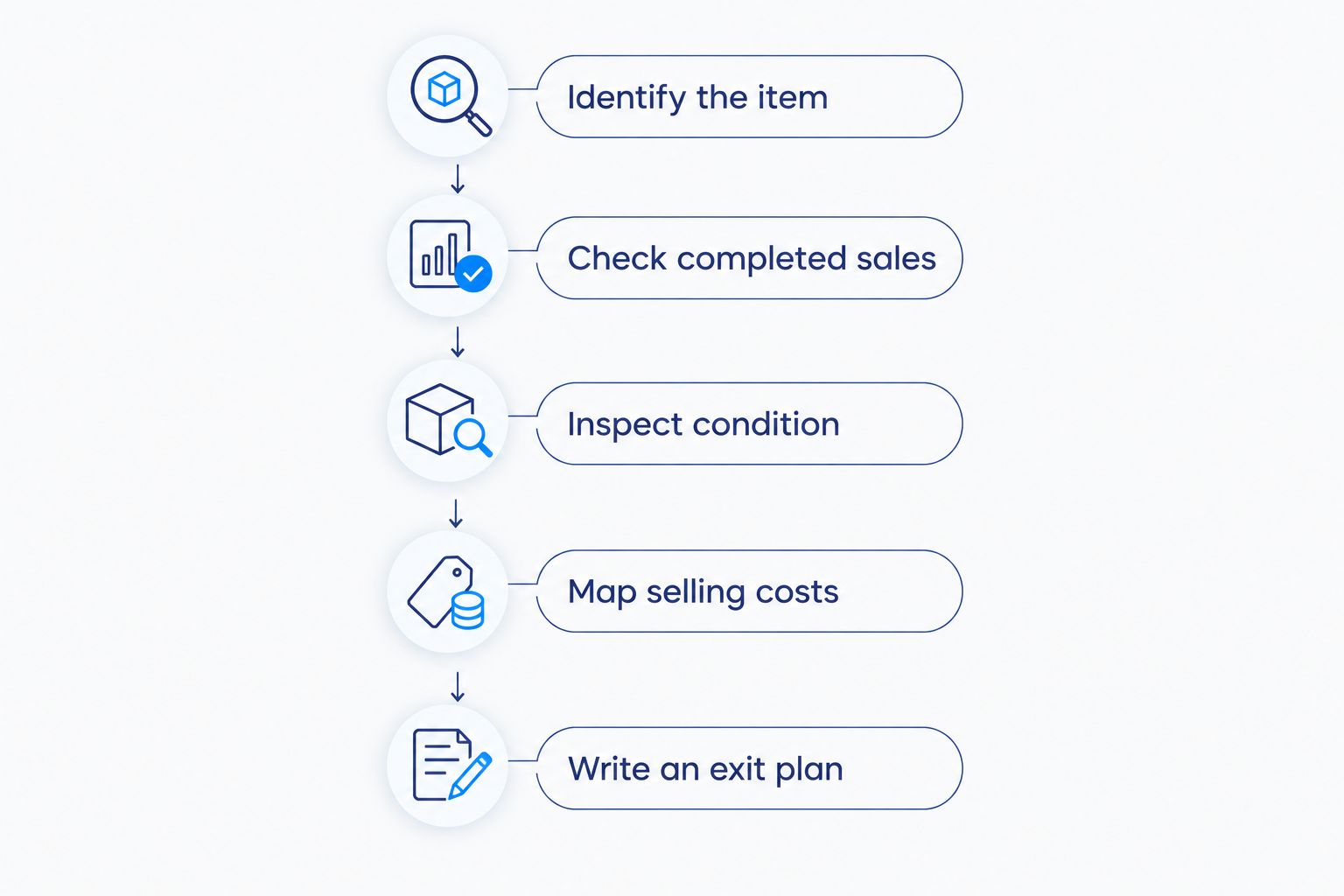
Keep a dated record of the evidence behind your 2026 decision. Save relevant listing details and your own purchase documentation so a later review does not depend on memory.
For a closer look at matching comparable transactions, use the guide to comparing Pokémon card prices across marketplaces. Keep comparisons within the same language and condition before drawing conclusions.
Where real sealed products fit into the decision
Delightful TCG offers Japanese Pokémon sealed products, including the examples below. These illustrate the sealed-box format; they are not ranked by expected return, and their product descriptions do not establish an investment forecast.


Before selecting either example, apply the completed-sales, condition, and storage checks above. If your real goal is owning a particular card, compare buying that single instead of assuming a sealed box is the right route.
Is opening packs a better investment than buying singles?
Opening packs is not the same strategy as holding sealed product or buying a known single. You exchange an unopened collectible for uncertain contents, then need to evaluate and potentially sell those contents individually.
Open packs for the experience when that is what you want. Keep the entertainment decision separate from an investment calculation; a memorable pull does not establish the result of every box you opened.
Are Japanese cards better investments than English cards?
Japanese cards are not automatically better investments than English cards. Compare demand and completed sales for the exact language and printing you intend to buy.
Do not transfer evidence from an English release to a Japanese counterpart without checking the relevant market. For a 2026 collection, choose the version you understand and enjoy, then evaluate its own resale evidence.
Should I buy both sealed products and singles?
Buy both only when each purchase has a clear collecting purpose and its own investment rationale. Owning both formats does not remove their shared exposure to trading-card demand.
A practical distinction is to keep unopened collectibles separate from cards you intend to display, play, or complete a set with. Do not label every hobby purchase an investment after buying it.
FAQ
Is sealed product better than singles for investment in 2026?
Sealed product is not automatically better than singles for investment in 2026. Compare the exact collectible, condition, completed sales, selling expenses, and your ability to store it safely.
What's the best format if I want one specific Pokémon card?
A single is the best format when your goal is owning one specific Pokémon card. You choose the exact printing and condition instead of relying on uncertain pack contents.
Do sealed booster boxes always gain value?
Sealed booster boxes do not always gain value. An unopened box still depends on buyer demand, authenticity, packaging condition, and the terms of your eventual sale.
Are graded singles safer investments than raw cards?
Graded singles provide a third-party condition assessment, not a guarantee against investment loss. Verify the certification and compare completed sales for the same card, grading company, and grade.
Should I grade every single I buy for investment?
Do not grade every single automatically. Evaluate the raw card first, then consider grading expenses and completed sales for relevant assessed examples without assuming a particular result.
How do I know whether a sealed box is genuine?
Assess the seller, exact release, packaging details, and any evidence of tampering together. An intact-looking closure alone does not prove authenticity; pause the purchase when important questions remain unresolved.
Can I compare sealed products and singles at Delightful TCG?
Delightful TCG sells Japanese TCG sealed products and individual cards. Use the product details to identify the item, then assess its condition and resale evidence separately from the retailer's selection.
Should I use money I need soon to invest in trading cards?
Do not commit money you need soon to speculative trading-card purchases. A collectible requires a willing buyer, and your eventual sale amount and timing are uncertain.
One last thing
Write your future sale description before you buy. If you cannot clearly identify the release, explain the condition, and document authenticity, you have already found a weakness in the purchase.
For your 2026 collection, choose the item you can understand, protect, and sell honestly. That is a stronger decision rule than treating every sealed box—or every attractive single—as an investment.