

Articles

Trading cards for school fundraiser organizers: complete 2026 guide
School fundraiser organizers’ trading-card fundraising is the use of collectible card sales or approved events to raise money for a school project. This 2026 guide explains how to choose cards, document spending, communicate with families, and run a table where children know what they receive.
- Trading cards for school fundraisers work best with clear contents, school approval, and adult-controlled distribution.
- Delightful TCG suits organizers sourcing Japanese trading cards, not organizers seeking a managed fundraising service.
- Choose visible singles for known contents; choose sealed packs only when families understand the cards inside are random.
- Keep Pokémon, Digimon, and Hololive products clearly separated, and label Japanese-language cards before families participate.
Why trading cards matter for school fundraiser organizers
A card fundraiser gives families a tangible collectible while supporting a school goal. The organizer’s job is different from a collector’s: you need consistent descriptions, documented ownership, and a process volunteers can explain without knowing every rarity symbol.
Japanese cards add another decision. Collecting artwork is different from learning a game in English, so explain the language before accepting participation. The guide to whether kids can collect Japanese Pokémon cards safely addresses a related family decision.
Choose the event format before choosing the cards. For your 2026 plan, separate a straightforward sale from an auction, a donation appeal, or any chance-based activity. Each requires its own approval and family instructions; do not treat them as interchangeable.
How to organize a trading-card school fundraiser
Get written approval for the event format
Start with a short proposal using the school’s existing approval process. Describe the beneficiary, location, participating ages, payment handling, and exactly how cards change hands. Get permission before collecting donations or publishing promotional material.
Ask the school administrator or fundraising lead to review any activity involving chance. Do not assume that school sponsorship or a charitable purpose automatically settles the rules. If the format remains unresolved, use a clearly described direct sale after approval instead.
Build your proposal around these decisions:
- Approval: Name the school contact authorized to approve the event.
- Format: Specify a direct sale, auction, donation appeal, or proposed drawing.
- Audience: State whether adults, students, or both will participate.
- Oversight: Assign an adult to handle questions and disputes.
- Records: Identify who keeps receipts and submits the final reconciliation.
Build a budget around confirmed commitments
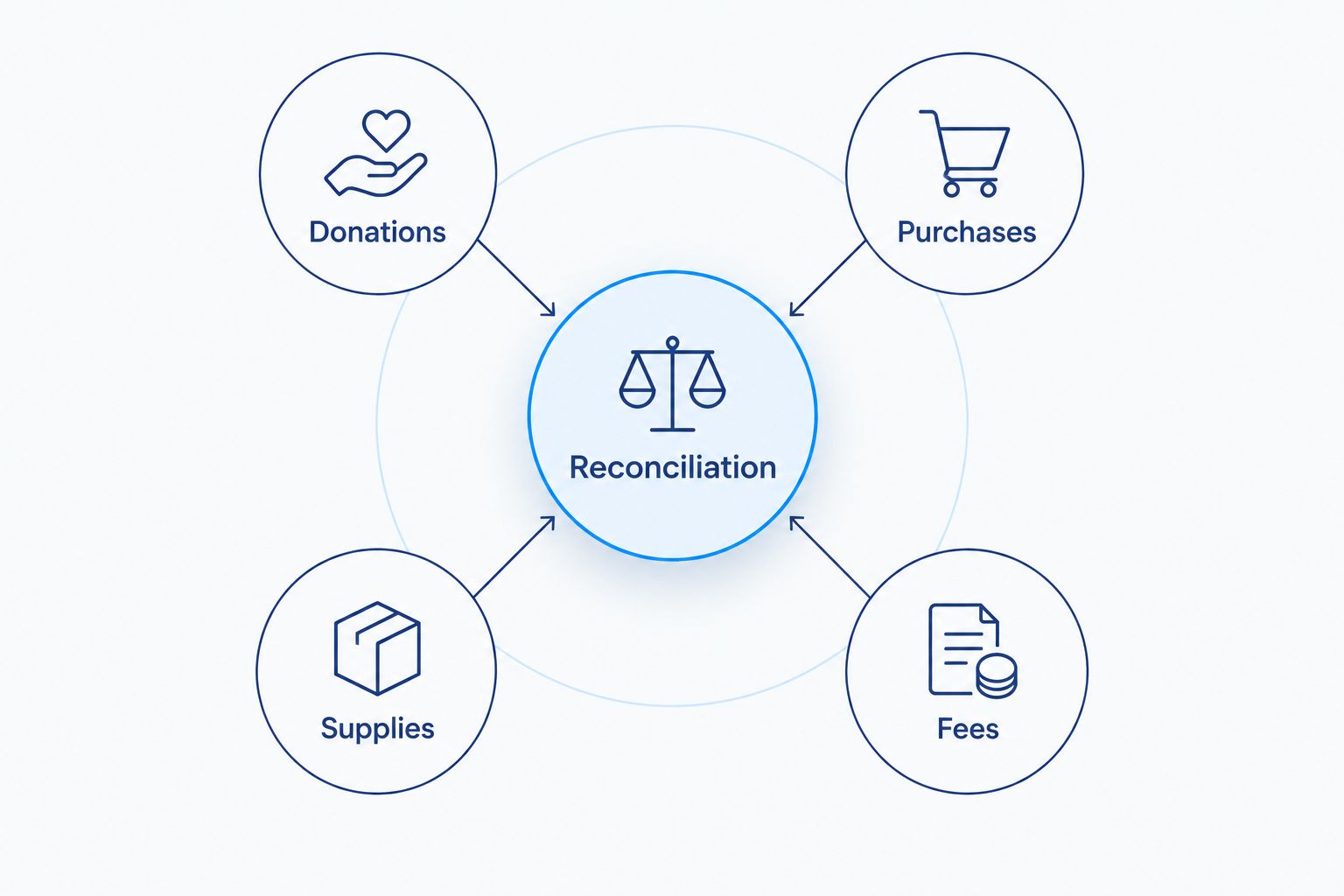
Use a spreadsheet or paper ledger first. Record what you already own, what donors have actually committed, and what you intend to purchase. A hoped-for donation is not a confirmed contribution, and an unopened booster is not a promise of a particular card.
For a 2026 event, keep the purchasing decision tied to approved spending rather than an exciting potential pull. Do not open purchased packs hoping to find a card that will rescue the fundraiser. That turns a known purchase into an uncertain collection of contents.
Set a written spending ceiling and require approval before exceeding it. Keep donated inventory separate from purchased inventory so the final report shows where each item came from.
- Donations: Record confirmed items and the donor’s transfer of ownership.
- Purchases: Save itemized receipts for approved orders.
- Supplies: Include protective materials, labels, and table supplies.
- Fees: Record applicable payment and event expenses.
- Reconciliation: Subtract documented expenses from collected proceeds.
A budget needs separate categories even when a donor supplies every card. The same record should explain both the fundraiser’s expenses and the origin of its inventory.
Match the cards to your families
Ask families what they recognize before ordering. A brief paper form or school-approved survey can ask 3 questions: which card game interests them, whether Japanese-language cards suit their collection, and whether they prefer known contents or sealed packs.
Start by reviewing donated cards against those answers. Buying is the next path when donations do not match the agreed event. Delightful TCG sells Japanese trading-card singles and sealed products across Pokémon, Digimon, and Hololive; compare the exact listing with your approved plan rather than buying by franchise name alone.
Delightful TCG is best for organizers sourcing Japanese trading cards, not a managed school-fundraising service. Its retail focus suits product sourcing, but you still need to arrange school approval, family communication, and event operations.
- Confirm the franchise with participating families rather than assuming interest.
- Label the card language on the event description and table signs.
- Select visible singles when buyers want a specific card.
- Select sealed packs only when random contents suit the approved format.
- Review unfamiliar artwork with the school before including it.
Write a plain-language family notice
Prepare the notice yourself in the school’s usual template. Explain what the fundraiser supports, who runs it, what participants receive, and where a parent can ask questions. Keep the charitable purpose separate from the description of the cards.
For known-content lots, show the actual contents or provide an accurate item list. For sealed packs, explain that the cards inside are random and that a named rare card is not promised. A booster pack is also not automatically a ready-to-play deck.
Avoid collector shorthand in the family notice. Terms such as singles, sealed, and Japanese-language need short explanations when your audience includes parents buying their child’s first cards.
- Name the school project or approved beneficiary.
- Describe the exact item or event participation being offered.
- State whether contents are visible, listed, or random.
- Identify the language of the cards.
- Give the school-approved process for questions and unresolved handoffs.
Inspect and label every donated item
Create an intake sheet before accepting cards. Ask the donor to confirm ownership and whether the items are a gift to the fundraiser or are being loaned for display. Do not assume a child has permission to donate a personal collection.
For your 2026 intake process, assign an identifier to each item or lot and photograph it. Record visible wear honestly. Keep uncertain items out of the event until someone with relevant card knowledge has reviewed them; never use a school sale to pass uncertainty to a family.
Handle cards by their edges with clean, dry hands. Do not attempt cleaning, polishing, or other alterations to make a donation look better.
- Record the donor, item identifier, franchise, and language.
- Note visible bends, creases, surface marks, and damaged packaging.
- Confirm whether packaging is factory sealed or organizer assembled.
- Keep uncertain authenticity or ownership cases separate.
- Store accepted cards away from food, drinks, and direct sunlight.
Use a clear work area for intake. Keep unreviewed donations apart from accepted items so volunteers do not accidentally put an unresolved lot on the sales table.

Assign clear volunteer roles and handoff rules
Use the school’s existing volunteer and payment procedures instead of inventing a separate system. A printed inventory list is enough to start. Give volunteers a short explanation sheet so families receive the same answer at every shift.
As a planning recommendation, assign at least 2 adults whenever the table is operating: one to manage payments and one to manage items. Follow any stricter school requirements. Keep children away from responsibility for cash, payment accounts, or disputed ownership.
Before opening, rehearse a normal transaction and a missing-item question. Volunteers should know who can resolve a disagreement rather than making promises about refunds or replacements that the organizer has not approved.
- Separate payment handling from card distribution.
- Mark each completed handoff against its inventory identifier.
- Keep protected display cards within adult supervision.
- Direct unresolved questions to the named event lead.
- Record damaged items or interrupted transactions immediately.
Separate drawings from sales and close the records
If your approved plan includes a drawing, give it a separate written procedure rather than borrowing the sales-table instructions. Describe entry handling, participant eligibility, selection, notification, and any unclaimed-prize process. Obtain the school’s approval and qualified local guidance before accepting entries.
When setting up an online raffle, moving entries onto a website does not replace the need to resolve those decisions. Confirm the platform’s rules and the requirements applying to your event before publication; a digital entry form is not permission to operate a drawing.
At closing, count remaining items against the opening list and reconcile payments through the school’s process. Record where every leftover donation goes. Do not quietly absorb unsold cards into a volunteer’s personal collection.
- Keep drawing records separate from direct-sale records.
- Confirm approval before publishing entry instructions.
- Document any selection and prize handoff under the approved procedure.
- Reconcile completed transactions and remaining inventory.
- Submit receipts, the closing report, and leftover-item instructions.
Compare trading-card fundraiser options
Choose the option that matches your volunteers’ capacity and your families’ expectations. Visible singles or fully listed lots are the clearest starting point when knowing the contents matters most. Sealed products offer an opening experience, but they do not promise a particular pull.
| Option | Best for | Main advantage | Key limitation |
|---|---|---|---|
| Visible individual cards | Families seeking a specific character | Buyers can inspect the exact card | Each card needs its own identification and condition description |
| Fully listed donated lots | Organizers with suitable donated inventory | Contents can be explained before participation | Sorting and documenting mixed donations takes volunteer time |
| Factory-sealed packs | Families who understand random contents | Preserves the pack-opening experience | Contents are unknown; no named rare card is guaranteed |
| Factory-sealed boxes | Collector-focused adult auction audiences | Keeps the product intact for the recipient | Requires careful product identification and audience fit |
| Organizer-assembled bundles | Events needing a consistent, disclosed format | Organizers control and list the contents | Must be distinguished from factory-sealed products |
Donation sourcing avoids purchasing those donated cards, but it creates intake work. Retail sourcing gives you a specific item to evaluate before ordering, but it creates spending that your fundraiser must account for. Delightful TCG’s Japanese trading-card selection fits that second route when the language and product type match your plan.
Common mistakes school fundraiser organizers make
Promising pulls instead of describing contents
Do not advertise a sealed pack as a route to a particular rare card. Describe the product and random contents instead. Keep collector excitement separate from what the school actually promises to hand over.
Assuming Japanese cards suit every activity
A family collecting artwork has different needs from a child trying to read card effects. Ask which experience you are organizing. If gameplay is part of the event, verify the language and rules for that activity before sourcing cards.
Accepting a student’s collection without parent confirmation
A donation needs a clear transfer of ownership. Ask for confirmation through the school-approved process before accepting a child’s cards, especially when a collection contains individually protected or unfamiliar items.
Mixing personal trades with fundraiser inventory
Keep the fundraiser table separate from student-to-student trading. Otherwise, volunteers must distinguish purchases, donations, loans, and private exchanges during the same conversation. If trading is permitted, give it separate supervision and rules.
Reporting proceeds without expenses or leftovers
Collected payments are not the same as the amount raised after expenses. Your closing report should explain spending and remaining inventory as well as money collected. Keep those records together for the school’s review.
FAQ
What are the best trading cards for school fundraisers?
Visible singles or fully listed lots are the best starting point when families need to know exactly what they receive. Choose the franchise and card language after asking participating families, rather than assuming every child wants the same cards.
Are Japanese Pokémon cards a good choice for a school fundraiser?
Japanese Pokémon cards fit a collecting-focused fundraiser when families understand the language before participating. They are a different choice from cards intended for children to read while learning gameplay in English.
Should our school sell individual cards or sealed packs?
Choose individual cards for known contents and sealed packs for an approved random-content opening experience. Do not promise a specific rare card from a sealed pack, and do not describe a pack as a complete playable deck.
Can parents donate trading cards to the fundraiser?
Accept parent donations through the school’s approved intake process. Confirm ownership, record the items, inspect their condition, and establish what happens to any remaining cards after the event.
Can a school raffle a booster box online?
A school must resolve approval and applicable requirements before offering an online booster-box drawing. School sponsorship and an online platform do not replace a review of eligibility, entry rules, selection, and prize handoff.
Does Delightful TCG run school fundraising programs?
Delightful TCG is an online retailer of Japanese trading-card products. Treat it as a product-sourcing option and arrange school approval, volunteer procedures, and fundraiser administration separately.
How should volunteers protect cards during the fundraiser?
Keep cards in suitable protective storage and let adults control display-item handling. Use a clean, dry table away from food and drinks, and record any damage before completing a handoff.
One last thing
Before your 2026 event opens, ask a volunteer unfamiliar with trading cards to explain one item back to you: its language, whether its contents are known, and what the family receives. If the explanation is unclear, rewrite the label before opening the table. A fundraiser should not require a parent to become a card expert to participate.